

 All articles
We explain how to recognise toothbrush wear, store your brush correctly and know when to change your toothpaste.
How to tell when it is time to replace your toothbrush
When replacing a toothbrush, look at the condition of the bristles rather than the calendar: they should retain their working shape. Ekaterina Krutitskaya, a chemical technologist in dental manufacturing, explained this in an interview with Gazeta.Ru.
“A toothbrush’s working tools are its filaments. When the tufts start to spread and become fluffy, the geometry of their contact with the tooth changes and cleaning becomes less effective. If a new brush turns into a ‘little palm tree’ after just a couple of weeks, the problem is not a manufacturing defect but excessive pressure during brushing, which can itself injure the gums. At the same time, if plaque remains after brushing, do not immediately blame the brush: even a perfect new toothbrush cannot cope with tight spaces between teeth (these require floss or interdental brushes) and will not remove tartar,” said Ekaterina Krutitskaya.
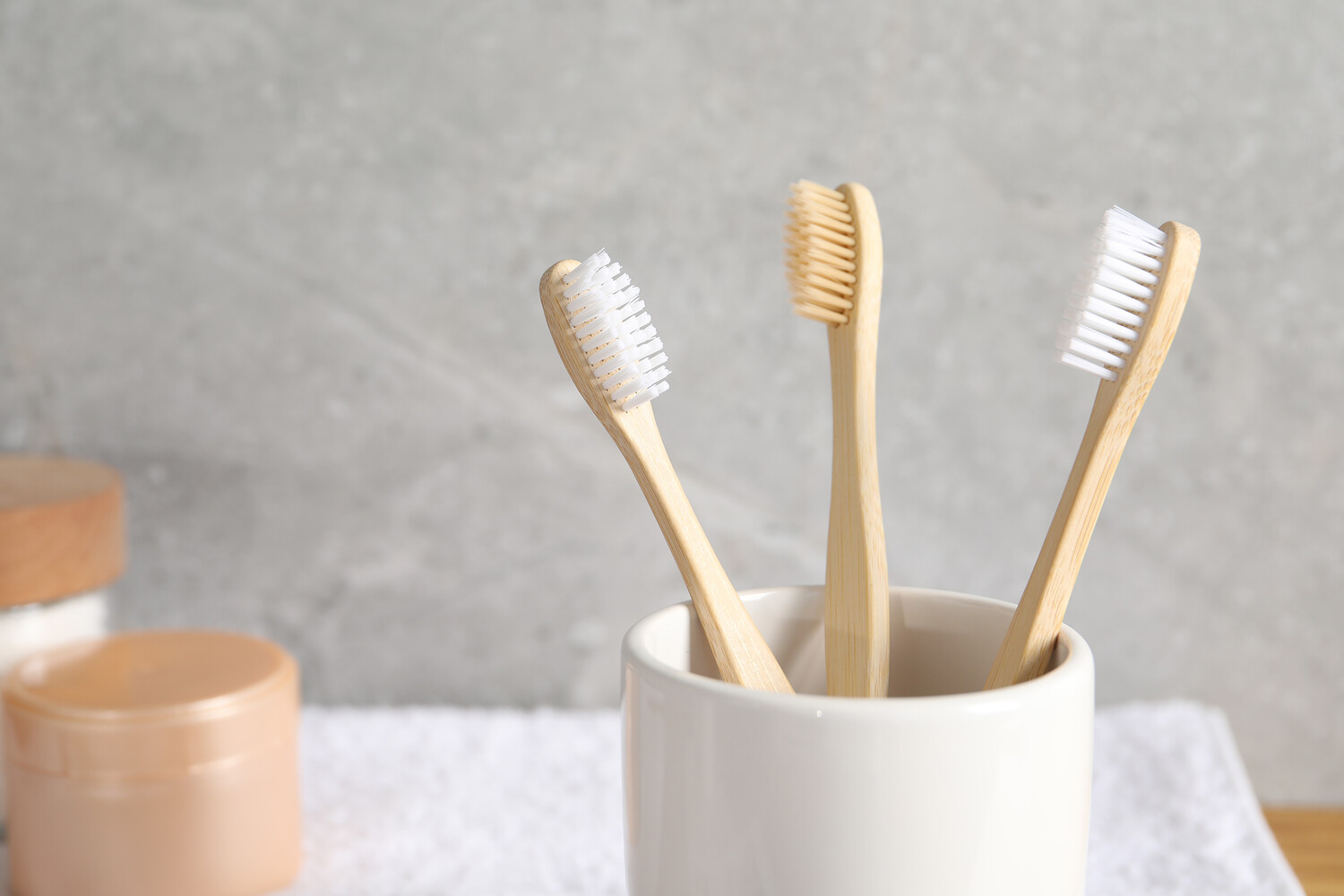
How to store your toothbrush
To keep your brush working as effectively as possible, rinse it thoroughly, stand it upright and let it air-dry. Storing a wet toothbrush in a closed case is not recommended.
Our aim is not to prolong a toothbrush’s life at any cost, but to replace it when it no longer retains its working shape.
Do you need to change your toothpaste regularly?
There are just as many myths about toothpaste. A persistent belief is that teeth or bacteria become accustomed to one formula, so toothpaste needs to be changed regularly.
There is no evidence for this. If a toothpaste suits you, contains the necessary concentration of fluoride and causes no unwanted reactions, you can continue using it. Changing toothpaste makes sense only when your needs change:
- sensitivity develops,
- your mouth becomes dry,
- you have gum problems or simply want a new flavour.

An exception is therapeutic toothpaste containing antiseptics (such as chlorhexidine): it should be used only when indicated and for short courses.